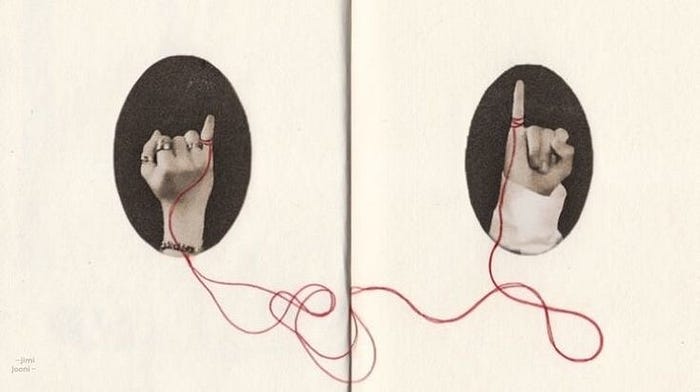
อิน-ยุน (In-Yun) เป็นแนวคิดทางจิตวิทยาและปรัชญาของเกาหลีที่ว่า ความสัมพันธ์และการพบปะไม่ใช่เรื่องบังเอิญ แต่มีรากฐานมาจากโชคชะตา กรรม และความผูกพันอันลึกซึ้งจากอดีต แนวคิดนี้ให้ความหมายแก่ความสัมพันธ์ของมนุษย์ และเป็นรากฐานทางจิตวิทยาสำหรับการยอมรับความสัมพันธ์ทั้งหมด ไม่ว่าจะด้านบวกหรือด้านลบ เป็นส่วนหนึ่งของชีวิต ความหมายทางจิตวิทยา/ปรัชญาของอิน-ยุน ความเชื่อมโยงแห่งโชคชะตา: เชื่อกันว่าการพบกันและการก่อตัวของความสัมพันธ์ระหว่างคนสองคนเป็นผลมาจาก "สายใย" หรือ "เหตุและผล" ที่สืบทอดมาจากชาติที่แล้ว ความสำคัญของความสัมพันธ์ของมนุษย์: เช่นเดียวกับสุภาษิตที่ว่า "แม้แต่การสัมผัสกับปกเสื้อก็ถือเป็นความเชื่อมโยง" แม้แต่ความเชื่อมโยงเพียงชั่วครู่ก็ถือว่ามีความสำคัญ ต้นกำเนิดทางพุทธศาสนา: เชื่อมโยงอย่างลึกซึ้งกับแนวคิดเรื่องการเกิดใหม่และกรรมของพุทธศาสนา ความมั่นคงทางจิตใจ: ผู้คนมักพบความสบายใจทางจิตใจเมื่อตีความความสัมพันธ์หรือสถานการณ์ที่ยากลำบากว่าเป็น "อิน-ยุน" ความหมายซับซ้อน: เป็นแนวคิดกว้างๆ ที่ครอบคลุมไม่เพียงแต่ความรักโรแมนติกเท่านั้น แต่ยังรวมถึงความสัมพันธ์ของมนุษย์ทุกประเภท (พ่อแม่ เพื่อน ครู ฯลฯ) ภาพยนตร์เรื่อง "Past Lives" ภาพยนตร์เรื่องนี้สำรวจแนวคิดเรื่อง "โชคชะตา" ในรูปแบบสมัยใหม่ โดยแสดงให้เห็นถึงความสัมพันธ์อันเป็นโชคชะตาระหว่างชายและหญิงที่สืบทอดจากชาติที่แล้วมาจนถึงปัจจุบัน
Korean Philosophy of Inyeon and Jeong — 옷깃만 스쳐도 인연 “Even simply brushing collars with someone is fate.” แม้แต่การแตะคอเสื้อใครสักคนก็ถือเป็นโชคชะตา
แม้เพียงการสัมผัสปกเสื้อก็สร้างความผูกพันได้
เพื่ออธิบายความสัมพันธ์ที่เกิดขึ้นระหว่างผู้คน ในพุทธศาสนา "การสัมผัสปกเสื้อ" หมายถึงความสัมพันธ์ที่ยาวนาน "หลายยุคหลายสมัย" (กาลนิรันดร์) สืบเนื่องมาจากชาติภพก่อน หนึ่ง "ยุคหลายสมัย" (กัลป์) คือช่วงเวลาที่เสื้อผ้าสัมผัสกับหินและหินนั้นสึกกร่อนไป ในขณะที่คำสอนนี้กระตุ้นให้เราเห็นคุณค่าของความสัมพันธ์ แต่ก็เตือนเราไม่ให้สร้างความผูกพันอย่างไม่ลืมหูลืมตาเพียงเพราะใครบางคนสัมผัสปกเสื้อของเรา
“There’s a word in Korean: inyeon. It means providence or fate. But it’s specifically about relationships between people. I think it comes from buddhism and reincarnation. It’s an inyeon if two strangers even walk by each other on the street and their clothes accidentally brush because it means there must have been something between them in their past lives. If two people get married, they say it’s because there have been 8000 layers of inyeon over 8000 lifetimes.” — Nora, Past Lives (2022)
“มีคำในภาษาเกาหลีอยู่คำหนึ่ง: อินยอน แปลว่า พรหมลิขิต หรือ พรหมลิขิต แต่คำนี้พูดถึงความสัมพันธ์ระหว่างผู้คนโดยเฉพาะ ผมคิดว่ามันมาจากศาสนาพุทธและการกลับชาติมาเกิด มันคืออินยอน ถ้าคนแปลกหน้าสองคนเดินสวนกันบนถนน แล้วเสื้อผ้าของพวกเขาบังเอิญปัดกัน เพราะมันหมายความว่าต้องมีอะไรบางอย่างระหว่างพวกเขาในอดีตชาติ ถ้าคนสองคนแต่งงานกัน พวกเขาบอกว่าเป็นเพราะมีอินยอน 8,000 ชั้นใน 8,000 ชาติ” — โนรา, Past Lives (2022)
In Buddhism, inyeon has been used to explain the patterns of the existence of all beings. 인 (in) refers to “direct cause” and 연 (yeon) refers to “indirect cause,” the conditions of the cause. For example, mango trees produce mango because they originally come from mango seeds (the cause), but also because of other conditions such as dirt, sunlight, and water. Correspondingly, everything exists or disappears because of its cause and conditions. Inyeon can give a comprehensible answer to why certain beings meet in certain places and times.
ในพระพุทธศาสนา อินยอนถูกใช้เพื่ออธิบายรูปแบบการดำรงอยู่ของสรรพสัตว์ คำว่า 인 (อิน) หมายถึง “สาเหตุโดยตรง” และ 연 (ยอน) หมายถึง “สาเหตุทางอ้อม” ซึ่งหมายถึงเงื่อนไขของสาเหตุ ยกตัวอย่างเช่น ต้นมะม่วงให้กำเนิดมะม่วงเพราะเดิมทีมีต้นกำเนิดมาจากเมล็ดมะม่วง (สาเหตุ) แต่ยังเกิดจากปัจจัยอื่นๆ เช่น ดิน แสงแดด และน้ำ ดังนั้น ทุกสิ่งจึงดำรงอยู่หรือดับสูญไปเพราะเหตุและปัจจัยของมัน อินยอนสามารถให้คำตอบที่เข้าใจได้ว่าทำไมสรรพสัตว์บางชนิดจึงมาพบกันในสถานที่และช่วงเวลาหนึ่ง
The concept of inyeon, along with the related idea of karma (self-determination), carries a twisted meaning that suggests a predetermined or fated relationship. In this context, inyeon can be used to describe relationships that are believed to be given by heaven, which existed before jeong. While Inyeon sets the scene for connections by setting a destined fate, Jeong is what nurtures and reinforces that bond through ongoing interaction and emotional investment.
แนวคิดของอินยอน รวมถึงแนวคิดเรื่องกรรม (การกำหนดตนเอง) ที่เกี่ยวข้อง มีความหมายที่บิดเบือน ซึ่งชี้ให้เห็นถึงความสัมพันธ์ที่ถูกกำหนดไว้ล่วงหน้าหรือถูกกำหนดไว้ล่วงหน้า ในบริบทนี้ อินยอนสามารถใช้เพื่ออธิบายความสัมพันธ์ที่เชื่อกันว่าสวรรค์ประทานให้ ซึ่งมีอยู่ก่อนยุคชอง ในขณะที่อินยอนสร้างบรรยากาศของการเชื่อมโยงด้วยการกำหนดโชคชะตาที่ถูกกำหนดไว้ จองคือผู้ที่หล่อเลี้ยงและเสริมสร้างความผูกพันนั้นผ่านปฏิสัมพันธ์ที่ต่อเนื่องและการลงทุนทางอารมณ์
Also, I would like to add Past Lives (2022) Nora’s mother quotes, “If you leave something behind, you gain something too.” This is the interplay of karma/samsara (a cycle of life) that also could be correlated to Newton’s third law. Physics explains the way or process of how the universe works (not the absolute) and how the concept of karma/fate also essentially points out the same thing.
นอกจากนี้ ฉันอยากจะเสริม Past Lives (2022) คำพูดของแม่ของโนราที่ว่า "ถ้าคุณทิ้งบางสิ่งไว้ข้างหลัง คุณก็จะได้รับบางสิ่งเช่นกัน" นี่คือปฏิสัมพันธ์ระหว่างกรรม/สังสารวัฏ (วัฏจักรชีวิต) ที่อาจสัมพันธ์กับกฎข้อที่สามของนิวตัน ฟิสิกส์อธิบายถึงวิถีหรือกระบวนการทำงานของจักรวาล (ไม่ใช่สิ่งสัมบูรณ์) และแนวคิดเรื่องกรรม/โชคชะตาก็ชี้ให้เห็นสิ่งเดียวกันนี้โดยพื้นฐาน
- Fate & Connection: It's a belief that people are linked by unseen threads, making encounters meaningful.
- Past Lives: The idea suggests that current relationships are tied to previous existences, with deeper bonds requiring more shared lifetimes.
- Layers of Connection: A simple passing in the street might be one layer, while a deep, lasting love could be 8,000 layers from 8,000 lives.
- Not Just Romance: While often romantic, In-Yun applies to any significant interaction, from meeting an old friend to receiving kindness from a stranger.
- The term combines "In" (因) for direct cause and "Yeon" (緣) for indirect cause, explaining why people meet at specific times and places.
- "Moving statues in the park / Mosaic faces fading in the rain / Recalling memories of loss / Yet untouched and unscathed."
- รูปปั้นเคลื่อนไหวในสวน / ใบหน้าหลากสีเลือนลางในสายฝน / หวนนึกถึงความทรงจำที่สูญเสียไป / แต่ก็ยังไม่ถูกแตะต้องและไม่ได้รับบาดเจ็บ.
- "Is
this really a mystery life / Where we only learn from our own mistakes?
/ Misstep, fall down stairs / Maybe you're too wise for me."
- นี่คือชีวิตที่ลึกลับจริงหรือ / ที่เราเรียนรู้จากความผิดพลาดของตัวเองเท่านั้น? / ก้าวพลาด ตกลงบันได / บางทีคุณอาจจะฉลาดเกินไปสำหรับฉัน.
- "Your
quiet eyes break my heart now / You're calling out, you're calling out
despite it / A long car drive, music in air / Comes from a place out of
nowhere."
- ดวงตาที่สงบของคุณทำให้ฉันใจสลาย / คุณกำลังเรียกหา แม้จะฝืนมัน / ขับรถไปไกลๆ เสียงเพลงในอากาศ / มาจากที่ไหนสักแห่งที่ไม่มีที่มา.
- "Staring
at stars or a lightning bug / On a faraway stair, on a torchlit night /
The field of depth on those marble steps / We'll meet again in light."
- จ้องมองดวงดาวหรือหิ่งห้อย / บนบันไดที่อยู่ห่างไกล ในคืนที่แสงคบเพลิง / ความลึกซึ้งบนบันไดหินอ่อนเหล่านั้น / เราจะได้พบกันอีกครั้งในแสงสว่าง.
- "That's
how it's done, that's how it's undone / That's how it starts, that's
how it's unknown / Fall, fall / Calling out in spite of it all / Fall,
fall / Will we meet again in the light?"
- นี่คือวิธีที่มันเป็นไป นี่คือวิธีที่มันจบลง / นี่คือวิธีที่มันเริ่มต้น นี่คือวิธีที่มันไม่รู้ / ตกลงไป ตกลงไป / ร้องเรียกออกมาแม้จะฝืนมันทั้งหมด / ตกลงไป ตกลงไป / เราจะได้พบกันอีกครั้งในแสงสว่างไหม?.
[Intro]G Am Am GMoving statues in the parkMosaic faces fading in the rain
Recalling memories of loss
Yet untouched and unscatched
รูปปั้นเคลื่อนไหวในสวนสาธารณะ
ใบหน้าโมเสกจางหายในสายฝน
หวนรำลึกถึงความทรงจำแห่งความสูญเสีย
แต่ยังคงไม่ถูกแตะต้องหรือเป็นรอย
[Verse 2]
Is this really a mystery life?
Where we only learn from our own mistakes
Misstep, fall down stairs
Maybe you're too wise for me
Your quiet eyes break my heart now
You’re calling out, you're calling out
Despite it
นี่คือชีวิตลึกลับจริงหรือ?
ที่เราเรียนรู้จากความผิดพลาดของตัวเองเท่านั้น
ก้าวพลาด ตกบันได
บางทีเธออาจจะฉลาดเกินไปสำหรับฉัน
ดวงตาที่เงียบสงบของเธอทำให้หัวใจฉันแตกสลาย
คุณกำลังเรียกหา คุณกำลังเรียกหา
แม้ว่าจะเป็นเช่นนั้นก็ตาม
[Verse 3]
A long car drive, music in air
Comes from a place out of nowhere
Staring at stars or a lightning bug
On a faraway stair, on a torch lit night
The field of depth on those marble steps
We'll meet again in light
มาจากที่ไหนสักแห่ง
จ้องมองดวงดาวหรือหิ่งห้อย
บนบันไดอันไกลโพ้น ในคืนที่ส่องสว่างด้วยคบเพลิง
ความลึกล้ำบนขั้นบันไดหินอ่อนเหล่านั้น
เราจะได้พบกันอีกครั้งในแสงสว่าง
[Outro]
That’s how it's done
That's how it's done
And how it's undone
That's how it starts
That's how it starts
And how it's unknown
Fall, fall
Calling out in spite of it all
Fall, fall
Will we meet again in the light?
นั่นคือวิธีที่มันทำ
และวิธีที่มันถูกทำลาย
นั่นคือวิธีที่มันเริ่ม ต้น
นั่นคือวิธีที่มันเริ่มต้น
และวิธีที่มันไม่รู้
ล้มลง ล้มลง
เรียกหาแม้ว่าจะเป็นเช่นนั้นก็ตาม
ล้มลง ล้มลง
เราจะได้พบกันอีกครั้งในแสงสว่างหรือไม่?
เพลงนี้สื่อถึงความรู้สึกของการหวนคิดถึงอดีต ความผูกพันที่ซับซ้อน และการยอมรับในชะตากรรม โดยเฉพาะความสัมพันธ์ระหว่างตัวละครใน Past Lives ที่เกี่ยวพันกับแนวคิดเรื่อง "In-Yun" (โชคชะตา/พรหมลิขิต) และการค้นหาความหมายในความสัมพันธ์ที่ยาวนาน.
"In-Yun" หรือ "인연" ในวัฒนธรรมเกาหลีหมายถึงพรหมลิขิตหรือความสัมพันธ์จากชาติก่อน แม้แค่เสื้อผ้าสัมผัสกันเบาๆ ก็ถือเป็น In-Yun แล้ว เพราะบ่งบอกถึงความผูกพัน 8,000 ชาติ.
แนวคิดนี้ปรากฏในภาพยนตร์อย่าง "Past Lives" ที่ตัวละครอธิบายว่า ถ้าคนสองคนแต่งงานกัน แสดงว่ามี In-Yun สะสมมาหลายชาติจนถึง 8,000 ชั้น.
"옷깃만 스쳐도 인연" เน้นว่าทุกการพบเจอ แม้เล็กน้อย ก็มีนัยสำคัญ ควร珍惜 ไม่ควรมองข้าม.
ความเชื่อมโยงกับ Soulmates และด้ายแดง
"ด้ายแดง" (Red Thread of Fate) จากตำนานจีน-ญี่ปุ่น คล้าย In-Yun คือเส้นด้ายที่มองไม่เห็นผูกคนคู่กันตั้งแต่เกิด แม้ห่างไกลแค่ไหนก็จะพบกัน.
ทั้งสองแนวคิดตอกย้ำ soulmates ว่าความรักแท้มาจากโชคชะตาเกินกว่าจะบังเอิญ เหมือนในซีรีส์ไทย "Until We Meet Again - ด้ายแดง" ที่เล่าถึงการพบพานข้ามเวลา.
Invisible String Theory ในวัฒนธรรมสมัยใหม่ก็คล้ายกัน คือคนที่ใช่จะดึงดูดกันเองโดยไม่ต้องพยายาม.
มีแนวคิดสมัยใหม่ที่เชื่อมโยง "In-Yun" ด้ายแดง และ soulmates เข้ากับความสัมพันธ์ในยุคปัจจุบัน โดยเฉพาะ Invisible String Theory ที่กำลังเป็นกระแสในโซเชียลมีเดีย.
ทฤษฎีเส้นด้ายล่องหน
Invisible String Theory เชื่อว่ามีเส้นด้ายมองไม่เห็นผูกโยงคนคู่กันตั้งแต่แรกเกิด คล้ายด้ายแดงและ In-Yun คือจักรวาลจะดึงคนที่ใช่ให้มาพบกัน แม้ผ่านอุปสรรคหรือเวลานานแค่ไหน.
ใน modern relationship ช่วยลดแรงกดดันจากการเดต เพราะไม่ต้องพยายามมาก แค่เชื่อมั่นว่าคนที่ใช่จะปรากฏเอง ส่งเสริมให้ปล่อยวางคู่ที่ไม่เข้ากันได้ง่ายขึ้น.
แต่มีข้อเสีย เช่น อาจทำให้ยึดติดกับคู่ที่ไม่เหมาะสม คิดว่ามันคือ "พรหมลิขิต" หรือมองข้ามปัญหาจริงในความสัมพันธ์.
การประยุกต์ในชีวิตสมัยใหม่
นักจิตวิทยาเห็นว่าช่วยลดความวิตกกังวล โดยมองทุกการพบ/จากลาเป็นบทเรียน ไม่เร่งรีบหาคู่แท้.
คล้าย In-Yun ที่ "옷깃만 스쳐도 인연" แม้แค่สบตาเดินสวน ก็อาจเป็นจุดเริ่มของเส้นด้ายนั้น.
ตัวอย่างใน TikTok/Reddit: คู่ที่พลัดพรากแล้วกลับมาเจอกันหลังหลายปี เหมือนโชคชะตาดึงดูด
อย่าปล่อยให้โชคชะตานำพาคุณไปในทางที่ผิด แม้ว่านั่นจะหมายถึงการได้พบเจอกับคนบางคนก็ตาม
เว็บไซต์และบทความแนะนำ
เกาหลี: https://blog.naver.com/lollipop9252/223686425259 (อธิบาย In-Yun จากหนัง Past Lives พร้อมสคริปต์ละเอียด).
เกาหลี: https://2-way.tistory.com/128 (วิเคราะห์ "옷깃만 스쳐도 인연" กับปรัชญาพุทธ).
ไทย-เกาหลี: Facebook โพสต์เกี่ยวกับ In-Yun และด้ายแดง (https://www.facebook.com/gdh559/posts/...).[4]
Reddit ไทย: https://www.reddit.com/r/redikomi/comments/16drqze/the_meaning_of_fate_in_yeon_%EC%9D%B8%EC%97%B0_in_korean/ (สรุปสุภาษิตเกาหลีแบบไทย).
วิดีโอ: YouTube Trailer "Until We Meet Again - ด้ายแดง" ที่ผสมแนวคิดเหล่านี้ (https://www.youtube.com/watch?v=DlT_e3Eguz8).[9]

ไม่มีความคิดเห็น:
แสดงความคิดเห็น